
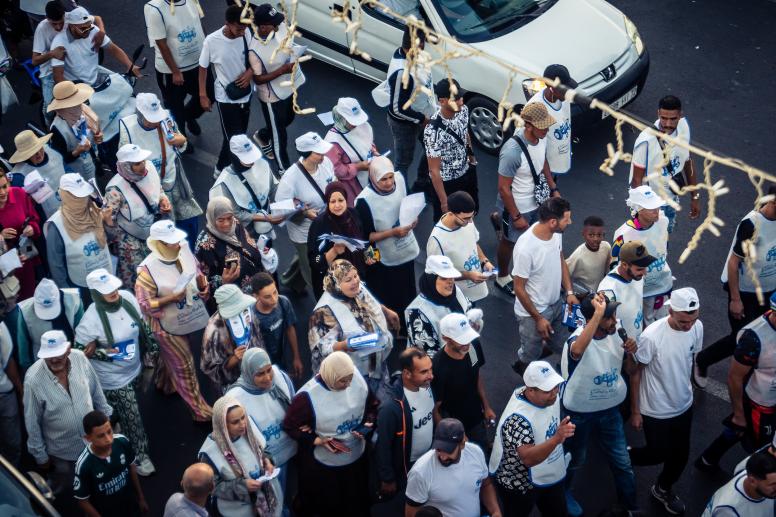
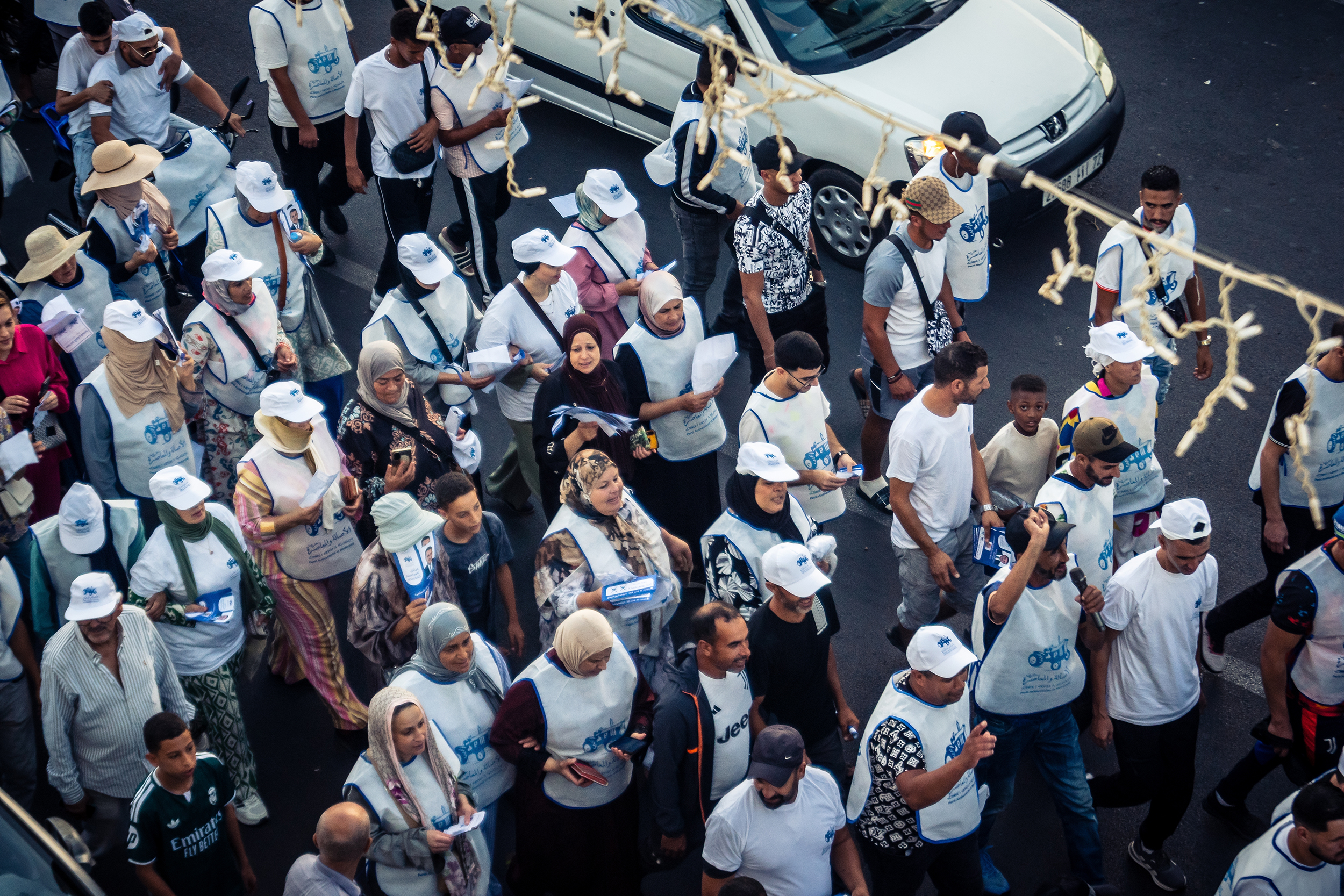
In early October 2026, Fatima Ezzahra El Mansouri became the first female prime minister of Morocco. The two-time former mayor of Marrakesh is a member of the Party of Authenticity and Modernity (PAM), victorious in elections held in late September. Her appointment as prime minister by King Mohammed VI was noteworthy because women won just 27% of parliamentary seats in the elections, and most of those seats were legally mandated for women under the country’s gender quota system.
Despite Morocco’s new female leader, formidable constraints to progress on women’s representation, both in Morocco and in other countries, remain. One constraint that merits greater attention is misperceptions about the true extent of popular support for women in politics. Amid concerns about backlash to gender equality, understanding the extent of men’s opposition to or support for women politicians is essential. This blog demonstrates that men’s opposition is, in fact, lower than many people perceive.
Why do misperceived norms around women in politics occur?
Such misperceptions are part of a broader phenomenon known as ‘pluralistic ignorance,’ where members of a group are ignorant of that group’s beliefs, perceptions or practices. When a group’s underlying attitudes or preferences change in a relatively short period of time, but their outward behaviour does not change much, it is common for pluralistic ignorance to emerge. The absence of any visible signal of changing attitudes makes it difficult for people to believe that others’ attitudes have evolved in step with their own.
Most Moroccans believe women should have the same rights to political office as men, support gender quotas, and evaluate female politicians similarly to male politicians. Our research went further to explore whether Moroccans were aware or unaware of others’ support for female candidates, and whether their misperceptions varied if they were thinking about support among men or women. Evidence from prior studies suggested Moroccans probably underestimate the extent of men’s support for women’s representation.
We designed an experiment that would allow us to test, as unobtrusively as possible, how respondents feel about female candidates. It also tested how they perceived the attitudes of men and women in their own community towards female candidates. We asked participants to compare descriptions of two hypothetical political candidates. The descriptions contained information about each candidate’s political party, education, family status (e.g. married with young children), political experience and gender. Then we asked participants to say:
- which candidate they would prefer themselves
- which candidate they thought men in their community would prefer, and
- which candidate they thought women in their community would prefer.
How accurately do Moroccans estimate male support for female political candidates?
In line with earlier studies, we found that respondents overall were not opposed to female candidates, although women had a slight preference for women and men a slight preference for men, as shown in the graph below. The numbers in the figure do not indicate the percentage of respondents who like female candidates. Rather, they show the probability that in the paired comparison described above, respondents themselves would prefer a profile featuring a female candidate (red circles) or that respondents would think men would prefer such a profile (blue triangles) among different groups of respondents.
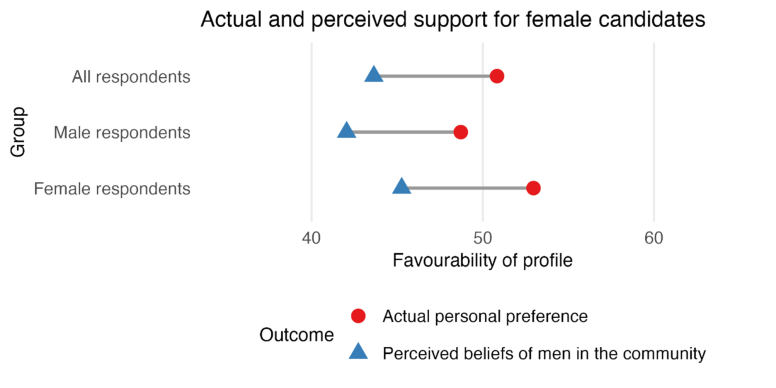
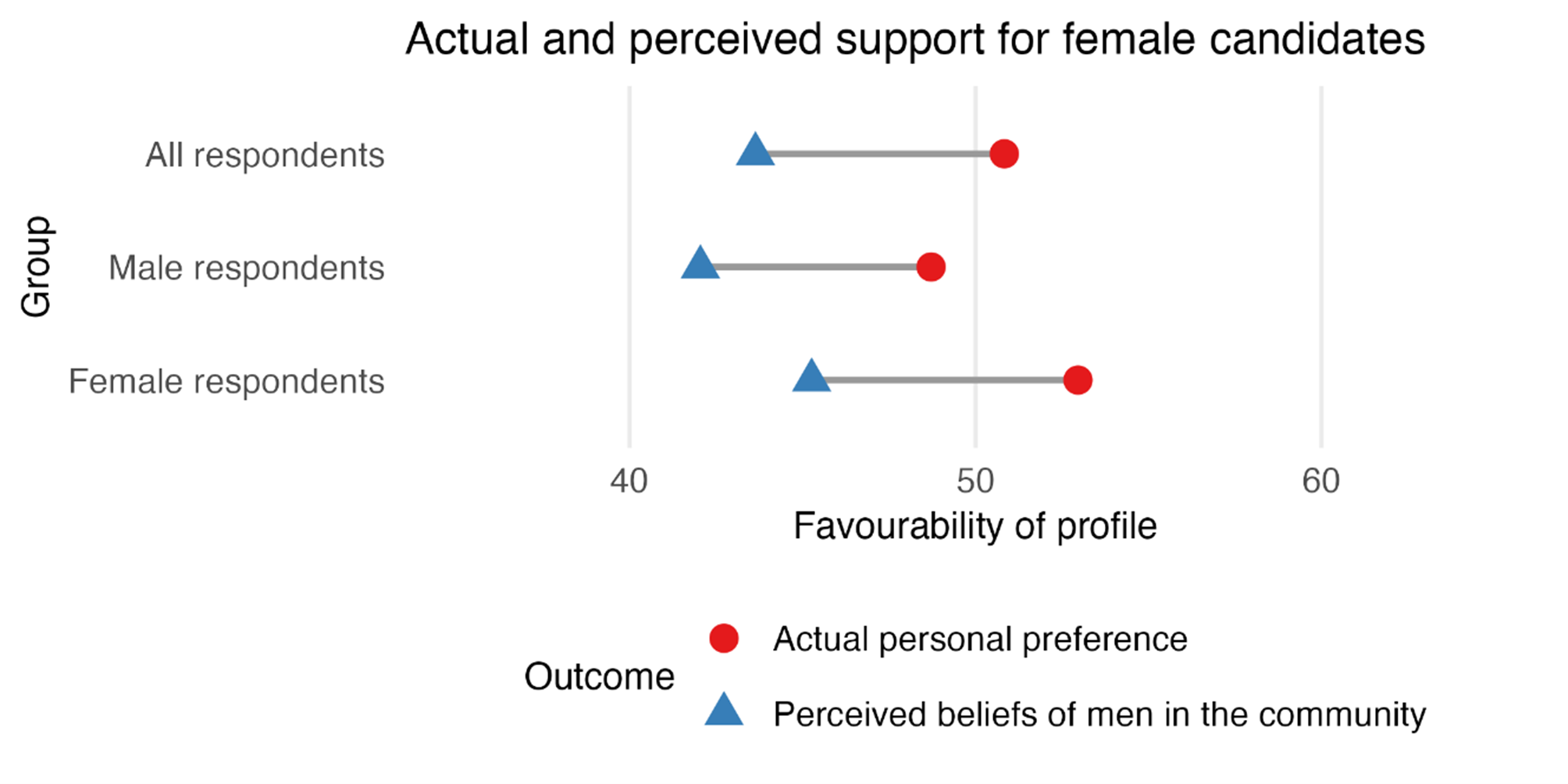
We found that respondents believed that men in their community were not in favour of female candidates. What’s more, these perceptions were exaggerated: respondents underestimated men’s favourability toward profiles featuring female candidates by 7 percentage points.
We also found evidence that men may express more bias when they think about the norms that prevail in their community. In our study, men who were asked to report which candidate they thought men in their community would prefer before being asked about their own preference displayed a stronger preference for male candidates than men who were asked first about their own preferences.
What are the implications for women’s greater political representation?
Overestimating men’s bias against female candidates might affect women’s access to political representation at multiple stages of their potential journey to office. First, if women anticipate male bias against female candidates, they might not be willing to pursue political office in the first place. This is particularly likely in contexts where women fear they will face violence from men who oppose their presence in politics.
Second, people may not be willing to support women who enter competitive campaigns for political office if they believe that others around them are opposed to women’s candidacies (or, strategically, if they simply don’t believe that women can win).
Finally, political party elites (often dominated by men) might be reluctant to recruit female candidates if they have inaccurate beliefs about male voters’ biases and don’t wish to risk putting up female candidates. This challenge is highly relevant in Morocco, where most seats are determined by proportional representation, and parties nominate few women beyond the minimum required by the country’s gender quota system. Ultimately, misperceptions of male bias against female candidates help to uphold a norm in which relatively few women seek – or are encouraged – to seek office.
What are the broader implications?
One key finding is that the public tends to underestimate male support for greater equality. This is not to deny the existence of misogyny or opposition to equality. But the opposition is not as representative of male values and preferences as many believe.
This means that we should not assume that perceptions of social norms are accurate, particularly when narratives about norms tend to be so pessimistic. Instead, we should question claims that suggest social norms are too conservative to support policies or opportunity that benefit women. There may be more underlying support than anticipated and marketing the extent of that support – explaining to community members what others privately believe but may be hesitant to openly express – could be a good first step toward sustained norm change in practice. More research is needed, however, on how much misperceptions matter across different gender issues and whether and how they can be corrected.
There are now opportunities to start these conversations. In response to El Mansouri’s appointment as prime minister, one Moroccan activist argued, ‘We've already noticed how impactful this [appointment] is in terms of social and cultural norms. People in public spaces, in cafes, on trains on their commute, and just regular folks are having conversations about women's leadership.’
This is a chance for activists and practitioners to find pockets of support that might be hiding in plain sight – and to tell people about them.
About the authors

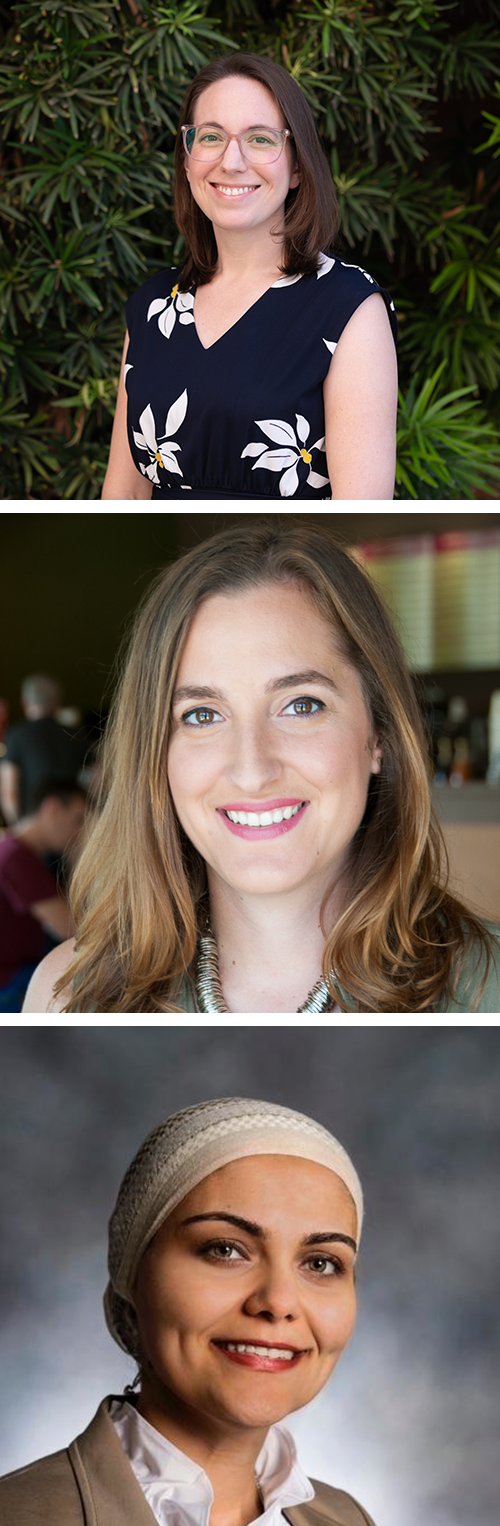
Carolyn Barnett is an Assistant Professor in the School of Government and Public Policy and School of Global Studies at the University of Arizona. She studies gender, political psychology, social policy, and political and economic behaviour in the Middle East and North Africa.
Alexandra Blackman is an Assistant Professor in the Department of Government at Cornell University. She studies religious identity, gender politics, political parties, and voting behaviour in the Middle East and North Africa.
Marwa Shalaby is an Associate Professor in the Political Science department at the University of Wisconsin-Madison. Shalaby’s work focuses on the intersection of legislative politics, authoritarianism, and women in politics in the Middle East and North Africa.