
‘Even when guests offer us snacks, we say no the first few times before we say yes, even if we want it. Similarly, girls say no (to sex) until they are asked multiple times, so a no can become a yes eventually’ .
19-year-old man
This comment from a young man in New Delhi captures the way in which many heterosexual young men perceive sex and consent in relationships: not as a statement of a woman’s choice but as something that must be won or acquired, by persuasion or, in some cases, emotional manipulation. Gender-based violence and non-consensual sexual relationships have long been seen as ‘women’s issues’ in India, as in the rest of the world. At Girl Effect we aim to reposition these issues as intricately linked to masculinities, and as ‘men’s issues’.
Legal frameworks and the underreporting of pre-marital sex among women – linked to stigma – make it difficult to understand the interplay of masculine identity and consent in unmarried relationships. However, it is crucial that we do.
Globally, according to the World Health Organization, nearly 840 million women – or 1 in every 3 – have faced partner violence and/or sexual violence. India’s National Family Health Survey 4 (NFHS 4) finds that 29% to 32% of women aged 15 to 49 in the country who have ever been married have experienced some form of intimate partner violence (IPV), whether physical, emotional or sexual. While there is a lack of evidence on unmarried relationships, the reported levels of IPV in marital relationships suggest that we also need to look at these.
At Girl Effect, our six-month programme aimed to create a safe digital ecosystem to shift knowledge and behaviour and cultivate more gender-equitable attitudes among men in unmarried relationships to help address sexual violence and non-consensual sexual relationships. The programme engaged directly with young men, not only as partners or allies, but as active agents of patriarchy, who are both shaped by and, in turn, shape notions of consent, not seeing it as a woman’s final decision but as something to be negotiated.
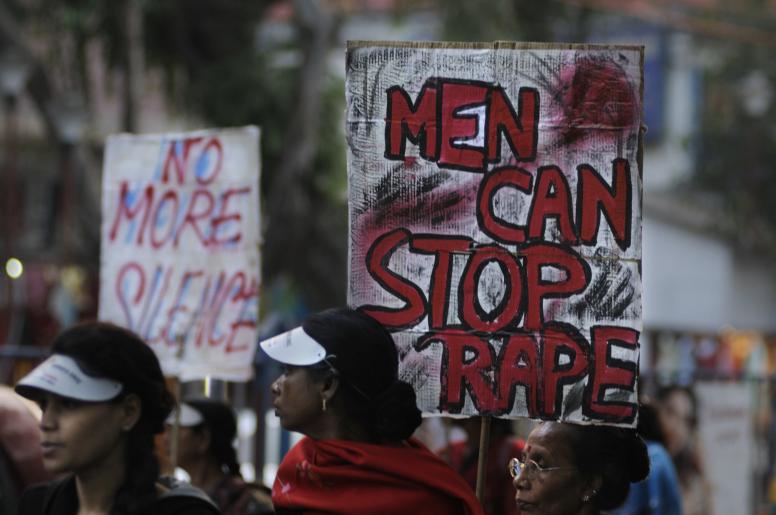

Credit: arindambanerjee | Shutterstock.com.
Why engaging young men matters
Our research with 20 unmarried young men in relationships in New Delhi revealed that they performed their roles as partners according to normative expectations to be providers and decision-makers. While they often say that consent and partner comfort are important—particularly at sexual debut—this view is a conditional part of male authority. Women’s refusal to have sex is often met with emotional coercion, revealing how consent is understood less as a right and more as a negotiation within masculine entitlement. Intimate relationships, therefore, are sites for the performance of masculinity through sexual prowess, decision-making, and dominance.
Interventions within education systems, through curriculum and learning modules, are essential to create a supportive environment where young men can reflect on their behaviours at adolescence. However, in the digital era, socialisation moves beyond the traditional ecosystems of family, school and peers and translates online into the content consumed, created, and circulated. Young men often scour the internet for information on contraception, or they resort to porn, which sets unrealistic expectations for sex and solidifies the treatment of women as ‘sexual conquests’ as part of norms of masculinity. Some seek advice from more experienced friends, who may also be getting information in the same way and who may, therefore, reinforce regressive norms. A key objective of the Girl Effect programme was to address and challenge these norms and reconstruct regressive notions of masculinity around sex, consent and gendered power in unmarried relationships.
Girl Effect programme recognised the influence of social media and used a digital approach to reach young people at scale. It drew on examples elsewhere, including the #ManUp Campaign by the Movember Foundation in the UK, which addressed harmful masculinity norms such as emotional suppression and violence through online storytelling and real-life narratives on YouTube. According to the Data Portal Report 2025, around 44% of Instagram users in India are aged 18–24 with a male majority of around 70% on Instagram and 61% on YouTube. Delivering content on our Meta and YouTube channels, therefore, made it possible to reach young people aged 18–24, particularly young men, where they are.
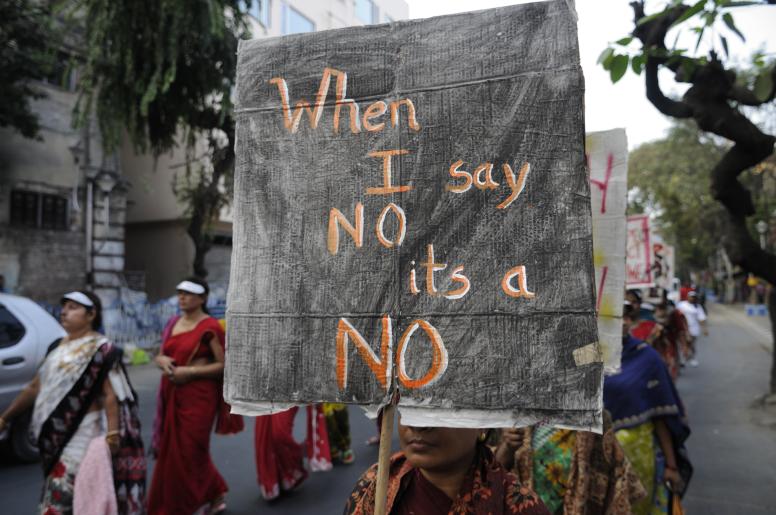
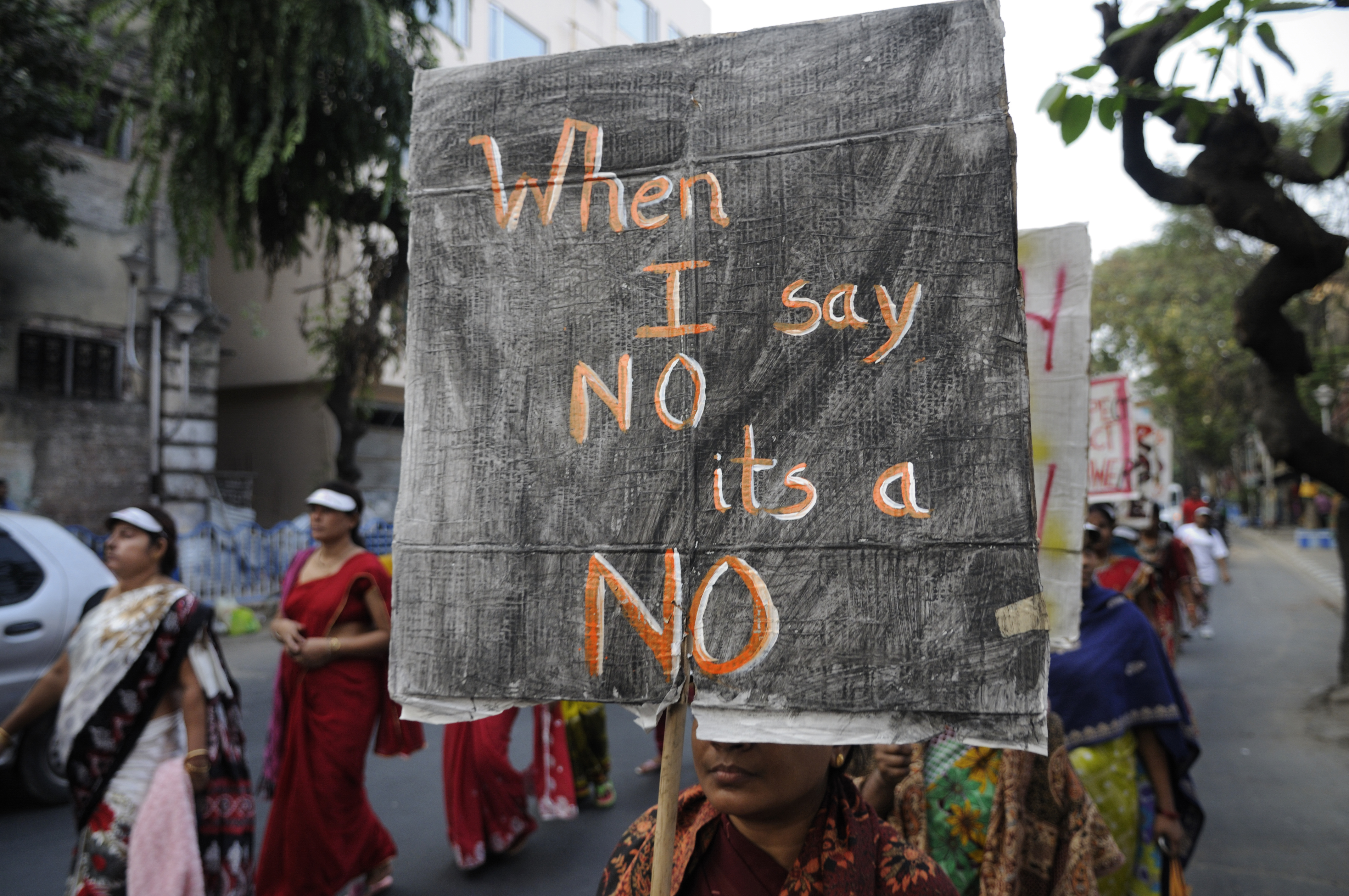
© arindambanerjee | Shutterstock.com
When young men feel seen: the Girl Effect approach
The intervention created a digital ecosystem to engage young men from middle- and lower-income households—typically Hindi-speaking—in two unique ways. First, it attempted to move away from the ‘knowledge provision’ approach to programmes for men, recognising that behavioural change means transforming their notions of masculinity by responding to their realities. Second, the programme delivered content using their tone, voice and context to show them models of healthy masculinity and healthy romantic relationships. It targeted young people raised in households shaped by traditional gender roles where men are providers and women caregivers—that influence their views and behaviour around relationships.
The programme’s three-format campaign on Instagram, YouTube and Facebook aimed to reshape modern love and relationships among cisgender, heterosexual young, unmarried couples in cities such as Mumbai, Delhi, Bangalore and Hyderabad for a period of six months.
- A podcast called ‘Chalo Karein Mardaangi ko Reboot’ (Let’s Reboot Masculinity!) saw the popular influencer Hamza Syed, known as ‘The Green Flag Guy’, and Prashasthi Singh, a stand-up comedian, having an open conversation about gender roles, consent and notions of love in modern times.
- The Vox Pop series ‘Humne Young India Se Pooacha: Saccha Pyaar Kya Hai Yaar’ (We Asked Young India: What Really is True Love?) aimed to unpack the meaning of true love for youngsters in India, using short interviews with young people about popular ‘Red Flags’ and ‘Green Flags’ in a relationship. With over 90 million views, the format uncovered deep-seated perceptions about how partners understand consent, control, love, and respect in their relationships.
- The fiction series ‘Saccha Pyaar Kya Hai Yaar’; (What Really Is True Love?) featured two young actors, Arjun Deswal and Ayesha Kaduskar, who showcased positive ways to navigate love with respect and mutual understanding in urban India, encouraging viewers to mirror their behaviour in their own relationships. With its mix of storytelling and romance, this bite-sized content format gained over three million views on YouTube.
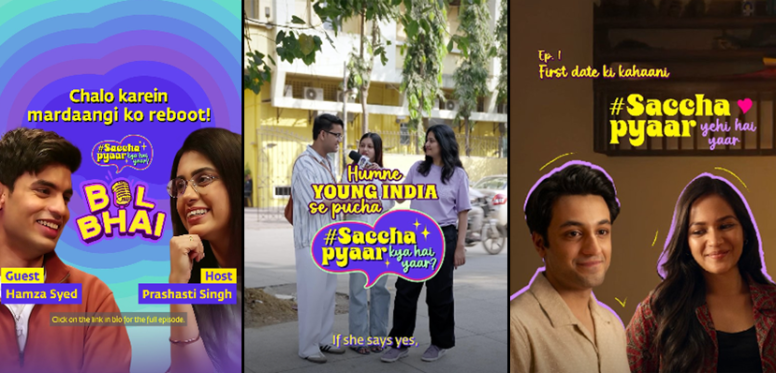
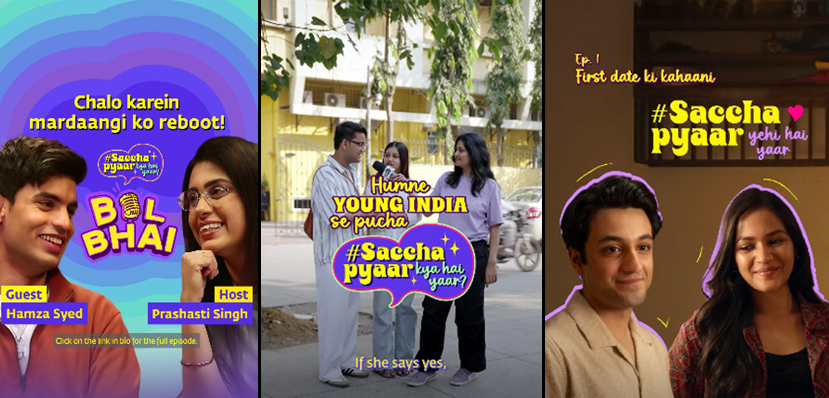
Across all three formats, the programme generated three million engagements, with 71% of these engagements by adolescent boys and young men.
The programme evaluation in New Delhi and Bihar with 189 boys and 193 girls showed that the programme helped to break the silence around sexual and reproductive. Adolescent girls were 14 percentage points more likely to talk about sexual consent with their partners (64% to 78%) and young men were 10 percentage points more likely to discuss whether to have sex in the relationship (72% to 82%) with their partners.
Behavioural tactics based on relatability and representation proved to be particularly effective. Storylines showing couples navigating conflict with empathy, alongside a male influencer openly discussing vulnerability, helped young men to feel seen and heard in conversations around relationships.
What stood out even more was how these approaches resonated in the more conservative context of Bihar. There were notable shifts in young men’s stated intention to talk to their partners about consent and the timing of sex. Knowledge around safety and health during sex also improved among both boys (from 24% to 31%) and girls (from 46% to 59%). There was also a major increase in the share of young men who were willing to talk to their partners about contraception (from 76% to 91%), and to move towards shared decision-making. Instead of simply conforming to norms, they were more open to renegotiating them and to making space for more gender- equitable relationships.
From conversation to change: the road ahead
While a six-month campaign cannot transform norms fundamentally, this programme has helped to shift attitudes—an essential step towards long-term change. Our digital ecosystem changed conversations and shifted accountability for consensual relationships from being solely a women’s issue to a men’s issue. The full inclusion of young men in conversations about sexual and reproductive health, however, needs a comprehensive approach across every level—from the state to social media, and from non-governmental organisations (NGOs) to the entertainment industry—to work with young men through repeated interventions. They need to be positioned not only as the perpetrators of gender-based violence and non-consensual sex, but as allies in changing the norms that cause them. As creators and NGOs, we have a responsibility to tell better stories and move away from films such as Kabir Singh and Animal, where hyper masculinity is seen as a badge of honour.
Advertising campaigns such as #ShareTheLoad by Ariel and #BreakTheBias by Titan have championed shared gender roles and challenged norms. Similarly, a recent web series on JioHotstar, Chiraiyaa, addressed marital rape, which is still not criminalized. While these short campaigns keep the conversations going, NGOs and civil society organisations need to work together constructively and not in silos, to address these issues. This Girl Effect programme reminds us that masculinity is a social construct, and it can be reconstructed. But that means moving beyond the provision of information towards approaches that truly inspire and transform young men.
About the author


Aishwarya Sahay is the Evidence & Insights Manager at Girl Effect India, where she works at the intersection of gender norms and health outcomes across Asia and Africa, translating data into actionable insights to strengthen programmes that drive social and behaviour change. Her research expertise spans adolescent sexual and reproductive health, masculinities, and family planning, alongside a focus on gender-based violence, digital literacy, and economic empowerment.
This article focuses specifically on Girl Effect’s work under the Tipping Point programme, funded by the Bill & Melinda Gates Foundation. Aishwarya acknowledges the valuable contributions of Niharika Sharma, Aparna Raj, and Falak Khan for their work under the programme and their thoughtful review of this article.