The strong influence of gender norms – the informal, often implicit rules of masculinity and femininity that guide people’s attitudes and behaviours – can harm the health and wellbeing of women and men, girls, boys and individuals who identify as other genders. Gender norms expose them to different health risks, distort the recognition of their health needs, and embed disparities in their access and experiences of health care.
In other occasions, gender norms can be protective of health in certain groups and in certain ways. For example, norms around promoting education or staying in school can lead to positive effect on adolescents’ mental health and psychosocial well-being or on their sexual and reproductive health.
Resources produced by the ALIGN community look at the impact of gender norms on:
- non-communicable and communicable diseases
- poor nutritional status
- threats to physical integrity: violence, body modification and unintentional injuries
- sexual and reproductive health and rights
- mental health and psychosocial wellbeing
- gendered health systems
- Covid-19




ALIGN Guide
30 mai 2019

View ALIGN's in-depth guide to gender norms, health and wellbeing.
Webinar/event recording
4 décembre 2019

ALIGN guide
1 août 2018

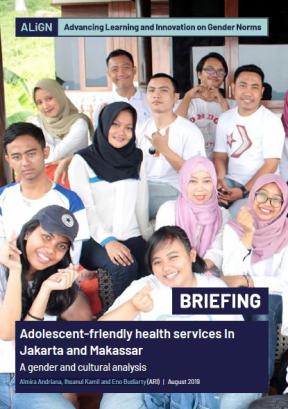
Briefing paper
7 août 2019
Blog
2 juin 2019

Biblio/Lit. review
13 mai 2019

Blog
28 mars 2019

Blog
16 janvier 2020

Health content from the ALIGN community
Journal article
30 mai 2019

Report
1 juillet 2025
Book/Book chapter
25 septembre 2023
Case study
15 septembre 2023
Journal article
1 juillet 2023
Report
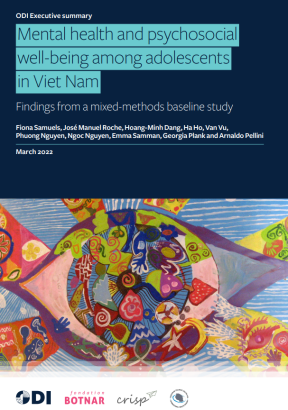
18 mars 2022